This is information, not medical advice. These are prescription medicines for children, and the decision belongs with a specialist who knows your child. Please don't start, stop or source anything based on a blog. Talk to your GP or paediatric team.
If you've got a child who's struggling with their weight, and you've seen the headlines about weight-loss jabs, it's a very normal thing to wonder: could one of these help my kid? You're not a bad parent for asking. You're a worried one.
So let's go through it honestly. What's actually licensed for children in the UK, what the trials found, what nobody knows yet, and what the NHS will and won't do. I'll keep the science in plain English and link every claim to a proper source so you can check it yourself.
The short answer
Yes, some children can, from age 12, and only under a specialist. Two of these medicines are licensed in the UK for adolescents: Saxenda (liraglutide) and Wegovy (semaglutide). Mounjaro (tirzepatide) is not licensed for any child's weight loss.
But here's the bit the headlines skip. In the UK, "licensed" is not the same as "available on the NHS". NICE, which decides what the NHS routinely pays for, hasn't recommended either drug for under-18s. So for most families these jabs are hard to get for a child on the NHS, and a lot of the access that does happen is private. The starting point on the NHS is still lifestyle and family support, not an injection.
What GLP-1s are, in one minute
GLP-1 is a hormone your gut releases when you eat. GLP-1 medicines (semaglutide, liraglutide and the dual-acting tirzepatide) copy it. They make you feel full sooner, slow your stomach down, and quieten the "I want more food" signal. That's why they cause weight loss. If you want the fuller explainer, we wrote one here: GLP-1 weight-loss drugs explained.
Which ones are licensed for children, and from what age
This is where the US and the UK part company. In the US the regulator (the FDA) has approved two for adolescents: Saxenda back in December 2020, and Wegovy in December 2022, both from age 12. In Europe and the UK, Saxenda is licensed from 12, and Wegovy's licence was extended to adolescents 12 and over in 2023.
| Medicine | Licensed for children? | From what age |
|---|---|---|
| Saxenda (liraglutide) | Yes, UK + US | 12+ (with obesity, over 60kg) |
| Wegovy (semaglutide) | Yes, UK + US | 12+ |
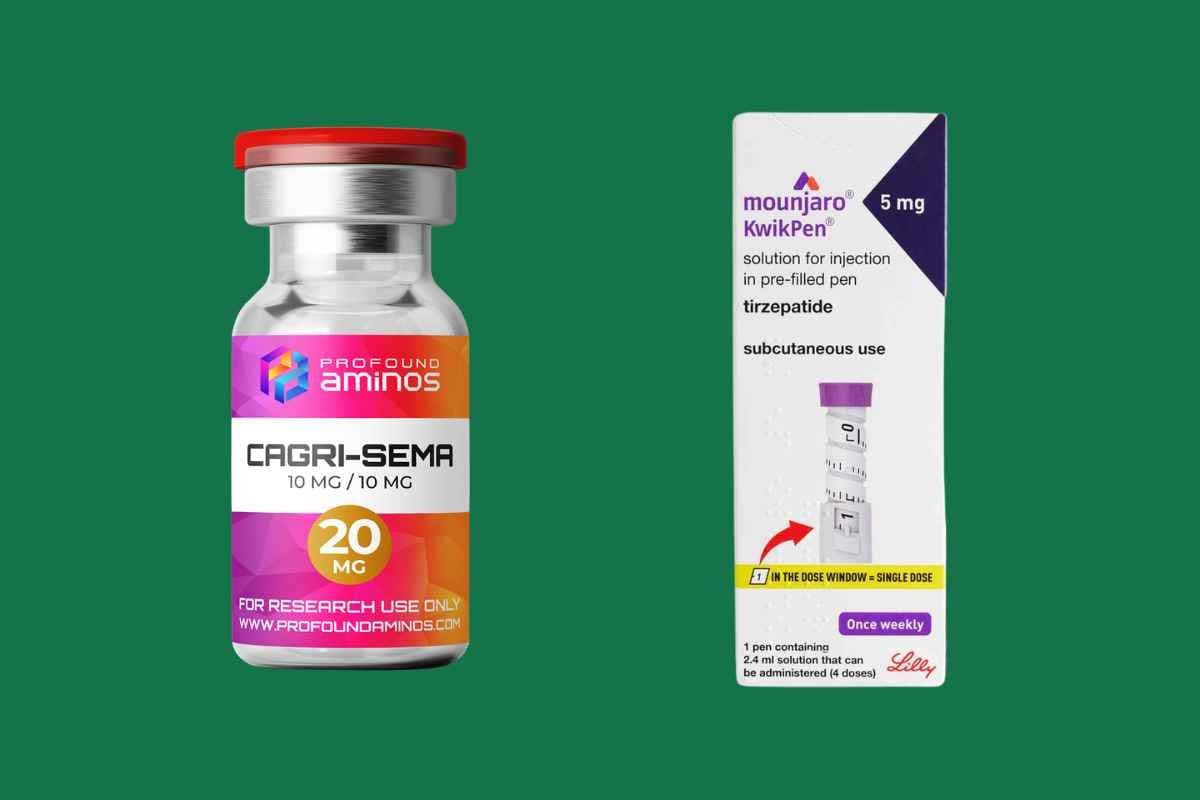
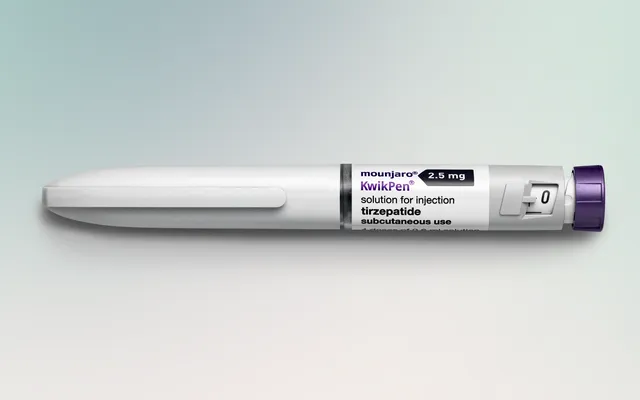
| Mounjaro (tirzepatide) | No (weight loss) | Not licensed for any child's obesity |
One thing worth being clear about, because it confuses people: Mounjaro has been approved for children in one narrow case, type 2 diabetes from age 10. That is a different illness from obesity, and it does not mean it's licensed to help a child lose weight. It isn't.
What the trials actually found
The evidence here is genuinely good for the short term. These aren't hunches, they're proper randomised trials published in the New England Journal of Medicine.
- Semaglutide in teenagers (STEP TEENS, 2022): 201 adolescents aged 12 to 17. Over 68 weeks, BMI fell about 16% on semaglutide, versus a slight rise on placebo. Nearly three quarters lost at least 5% of their weight.
- Liraglutide in teenagers (SCALE Teens, 2020): 251 adolescents. A more modest but real reduction in BMI over 56 weeks, which is what its 12-to-17 licence rests on.
- Liraglutide in younger children (SCALE Kids, 2024): 82 children aged 6 to under 12. BMI dropped meaningfully versus placebo over 56 weeks. This is promising, but it's why there's no licence below 12 yet, the evidence is still early.
The side effects in those trials were mostly gut-related: nausea, vomiting and diarrhoea were common (around 60% in teens, and roughly 80% in the younger children), usually manageable. Gallstones showed up in about 4% of teens on semaglutide, which is a recognised risk with fast weight loss.
"Among adolescents with obesity, once-weekly treatment with a 2.4-mg dose of semaglutide plus lifestyle intervention resulted in a substantial reduction in BMI as compared with lifestyle intervention alone."
— Weghuber et al., STEP TEENS authors, New England Journal of Medicine, 2022
The UK catch: licensed is not the same as available
Here's the part that trips parents up. A drug can hold a UK licence and still be very hard to get for your child on the NHS. That's exactly the situation here.
NICE, the body that decides what the NHS routinely funds, hasn't backed either jab for under-18s. Its main semaglutide guidance covers adults only. The appraisal for adolescent liraglutide was dropped because the manufacturer didn't submit evidence. So there's no NICE "yes" for children to lean on.
What actually happens, in England, is a tiered system. Most children are managed with lifestyle and family-based support. The most severe cases get referred to specialist Complications from Excess Weight (CEW) clinics, where a multidisciplinary team leads care and any prescribing happens. There are about 32 of these clinics, and they've seen a few thousand children since 2021. Eligibility is strict: roughly a BMI above the 99.6th centile plus a weight-related complication. Current NICE guidance (NG246, 2025) still makes orlistat, a tablet, the only positively recommended medicine for under-18s, and only from 12, with comorbidities, started in a specialist setting.
So the honest UK headline is this: licensed, yes. Routinely available on the NHS for an obese child, no.
The risks, and the things nobody knows yet
This is the part I'd want a straight answer on if it were my kid, so here it is straight.
The known side effects are mostly the gut ones above, plus gallstones. The bigger question is the unknown. These trials ran for about a year. A child isn't a small adult, they're growing, going through puberty, building bone and muscle. The trials didn't find a short-term effect on growth, but "no effect over one year" is not the same as "safe over ten". Experts are open about that.
"These patients are taking medications during critical periods of development and growth. We don't yet have studies on the long-term effects of GLP-1 therapies in teens, so young patients taking them are practically participants in a research study."
— Dr Dan Cooper, paediatrician, University of California, Irvine
A few more honest caveats:
- Muscle and bone. Fast weight loss strips off some lean muscle as well as fat, and there are questions about bone density. We don't have solid data on this in growing children specifically.
- It comes back. When people stop, the weight tends to return. In practice that can mean staying on the medicine long-term, and we don't have the long-term safety picture in kids.
- Mental health and eating. The trials excluded children with eating disorders or recent serious mental-health problems, so we genuinely don't know how these drugs behave in those situations. That matters a lot in this age group.
"Further studies over longer time periods will need to be undertaken to ensure that appetite suppression in these children does not have unforeseen negative consequences later in their development."
— Dr Simon Cork, Anglia Ruskin University, via the Science Media Centre
So, should a child take one?
That's not a blog's call, and it's not a one-size answer. But here's a fair way to think about it.
Childhood obesity isn't a willpower problem, and it isn't harmless. It carries real risks, and for some children, especially those with severe obesity and complications, doing nothing has a cost too. That's the case the specialists make for treating it properly. At the same time, these are powerful drugs with a short track record in kids. Both things are true.
Where most clinicians land is: lifestyle and family support first, for everyone. Medication only for the children who need it most, only from 12, and only inside a specialist service that can watch growth and development closely. Not bought online, not started on a whim, not a shortcut around the hard work.
About Healthcount
Healthcount is a free, UK-built tool for adults to log their own weight, food and GLP-1 doses in one place. It isn't for managing a child's treatment, that belongs with their specialist team.
See what Healthcount doesWhat to do next (in the UK)
- Start with your GP. They can assess your child properly and refer on to local or specialist children's weight-management services if it's needed.
- Ask specifically about a tier 3 or CEW clinic if your child's weight is severe or causing health problems. That's the route to specialist care.
- Be wary of private or online sources that will prescribe a weight-loss jab to a young person without that wraparound care. The supervision is the point, not an optional extra.
FAQs
Can a child take Wegovy or Saxenda in the UK?
On paper, yes from age 12. Saxenda (liraglutide) is licensed for ages 12 to 17 with obesity and a body weight over 60kg, and Wegovy (semaglutide) had its licence extended to adolescents 12 and over in 2023. In practice, NICE hasn't recommended either for under-18s, so NHS access runs only through specialist children's weight-management services, and many families only get them privately.
Can children take Mounjaro for weight loss?
No. Mounjaro (tirzepatide) has no paediatric obesity licence anywhere. Its only approval in children is for type 2 diabetes from age 10. It isn't licensed for weight loss in any child.
What age can a child start weight-loss injections?
Age 12 for the two licensed options. Below 12 it's still investigational. Liraglutide has been tested in children aged 6 to under 12, but there's no licence for that age group yet.
Are GLP-1s safe for children?
Short-term, the trials found them effective with mostly mild-to-moderate gut side effects, plus a small rise in gallstones. On long-term safety, the honest answer is we don't fully know yet. The trials lasted about a year, and the effect on a child's growth, puberty, bone and muscle over many years isn't established. That's why they're specialist-only.
What does the NHS offer an obese child first?
Lifestyle and family-based support first, through your GP and local services. Medication is a tightly-gated specialist add-on, not a front-line option, and the most severe cases are referred to specialist Complications from Excess Weight (CEW) clinics.
Related reading
- GLP-1 weight-loss drugs explained (Wegovy, Ozempic, Mounjaro)
- Can GLP-1s help with addiction and alcohol?
Sources
- Weghuber et al. Once-Weekly Semaglutide in Adolescents with Obesity (STEP TEENS). NEJM 2022. pmc.ncbi.nlm.nih.gov
- Kelly et al. A Randomized, Controlled Trial of Liraglutide for Adolescents with Obesity (SCALE Teens). NEJM 2020. nejm.org
- Fox et al. Liraglutide for Children 6 to <12 Years (SCALE Kids). NEJM 2024. pubmed.ncbi.nlm.nih.gov
- NICE NG246, Overweight and obesity management (medicines and surgery), 2025. nice.org.uk
- NICE TA875, Semaglutide for managing overweight and obesity (adults), 2023. nice.org.uk
- NHS England, Complications from Excess Weight (CEW) clinics, 2025. england.nhs.uk
- American Academy of Pediatrics, Clinical Practice Guideline (Hampl et al.), 2023. publications.aap.org
- Science Media Centre, expert reaction to liraglutide in children 6 to 12, 2024. sciencemediacentre.org