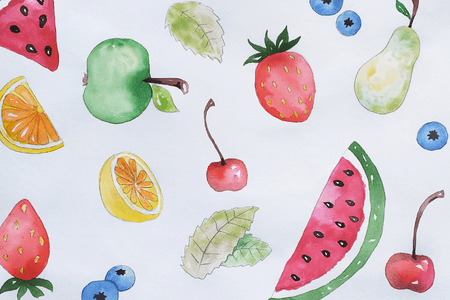
First, the important bit: all whole fruit is good for you. This isn't a "good fruit, bad fruit" list. It's a ranking by how much nutrition and fullness you get for the calories, which is genuinely useful when your appetite is back and you're trying to hold your weight steady.
Quick answer: berries and kiwi are the S-tier. They're high in fibre and water and lower in sugar, so they fill you up for very few calories. Bananas, grapes and mango are still great, they're just more calorie-dense. Dried fruit and juice are the ones to go easy on.
How the tiers work
Three things decide where a fruit lands: fibre (fills you up and slows the sugar), water (volume for almost no calories), and sugar density (how many calories you get per mouthful). The S-tier fruits are high on fibre and water and lower on sugar. As you go down, the sugar gets denser and the water thins out, so the calories add up faster.
🟢 S-tier: biggest nutrition for the fewest calories
- Raspberries & blackberries:the fibre kings (around 6-7g fibre per 100g) for barely any calories.
- Strawberries:mostly water, high vitamin C, very low calorie.
- Blueberries:a bit more sugar than other berries, but loaded with antioxidants and still light.
- Kiwi:more vitamin C than an orange, good fibre, and small.
These are the ones to reach for first. You can eat a satisfying bowl for around 50-70 calories.
🟢 A-tier: everyday all-rounders
- Apples & pears:proper fibre (especially the skin), filling, easy to carry.
- Oranges & other citrus:water-rich, high vitamin C, a bit of fibre.
- Peaches, nectarines & plums:light and watery; lovely, just slightly less fibre than berries.
Nothing wrong with these at all. They're a touch more calorie-dense than berries, which is the only reason they're a tier down.
🟡 B-tier: great, just more calorie-dense
- Bananas:brilliant before exercise, but more starch and sugar, so more calories per piece.
- Grapes:easy to eat a lot of without noticing; the calories climb quietly.
- Pineapple & mango:delicious and nutritious, but sweeter and denser.
These aren't "bad". You just get fewer of them for the same calories, so weigh them if you're tracking and grapes in particular are easy to mindlessly graze.
🟠 Go-easy tier: dried fruit & juice
Drying and juicing take the water out, which concentrates the sugar and usually loses the fibre. A handful of raisins has the calories of a big bowl of grapes, and a glass of juice has the sugar of several oranges without the fullness. Fine in small amounts, but they slip past your appetite far too easily.
Where avocado fits
People always ask about avocado. It's genuinely one of the most nutritious fruits there is, full of healthy fats and fibre. But those fats make it calorie-dense (a whole one is around 250-300 calories), so it isn't a "low-calorie fruit". Eat it for the nutrition, just count it like you'd count a fat, not like a handful of berries.
Want to see your own numbers?
Log your fruit in plain English and Healthcount works out the calories, fibre and sugar for you.
Try the free macro counterFAQs
What is the best fruit for weight loss?
Berries and kiwi. High fibre, high water, lower sugar, so they fill you up for very few calories.
Are bananas bad for weight loss?
No. They're just more calorie-dense than berries. Great food, you simply get fewer per calorie.
Is fruit sugar a problem?
In whole fruit, not really. The fibre and water slow it right down and fill you up. Juice and dried fruit are where the sugar gets concentrated.